Life is full of surprises—and not always the good kind. From sudden medical bills to unexpected job losses, emergencies can hit when we least expect them. Without a financial safety net, such events can create stress and even long-term debt. That’s why building an emergency fund has become more important than ever in 2025.
What Is an Emergency Fund?
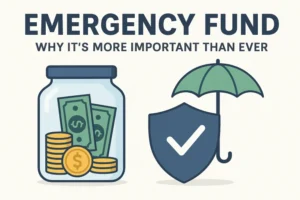
An emergency fund is simply money set aside for unexpected expenses. It’s not for vacations, shopping, or planned events—it’s your financial cushion when life throws you a curveball.
Think of it as your personal insurance policy, but instead of paying premiums, you pay yourself.
Why You Need an Emergency Fund in 2025
1. Rising Living Costs
Inflation has increased the price of essentials like groceries, rent, and fuel. Without a backup fund, even a small emergency can disrupt your monthly budget.
2. Job Market Uncertainty
With industries changing rapidly due to AI, automation, and global shifts, job security isn’t guaranteed. Having 3–6 months of expenses saved gives you breathing room if you lose income.
3. Medical Emergencies
Even with insurance, healthcare costs can be high. An emergency fund helps cover bills, medications, and treatments that aren’t fully insured.
4. Peace of Mind
Money stress can take a toll on your health. Knowing you have a safety net allows you to make calmer, smarter financial decisions.
How Much Should You Save?
Most financial experts suggest saving 3 to 6 months’ worth of living expenses. For example:
If your monthly expenses are ₹30,000 → your emergency fund should be between ₹90,000 and ₹1,80,000.
If that feels overwhelming, start small. Even ₹500 or ₹1,000 a week adds up over time.
Where Should You Keep It?
Your emergency fund should be:
Safe: Avoid high-risk investments like stocks.
Accessible: Keep it in a savings account or liquid fund.
Separate: Don’t mix it with your regular spending account.
Tips to Build Your Emergency Fund Faster
Automate a small transfer every month.
Save bonuses, tax refunds, or side income.
Cut back on non-essential spending and redirect that money.
Final Thoughts
An emergency fund isn’t about being pessimistic—it’s about being prepared. In today’s uncertain world, it’s one of the smartest financial habits you can build.
Start small, stay consistent, and watch your safety net grow. Your future self will thank you when life throws the unexpected your way.